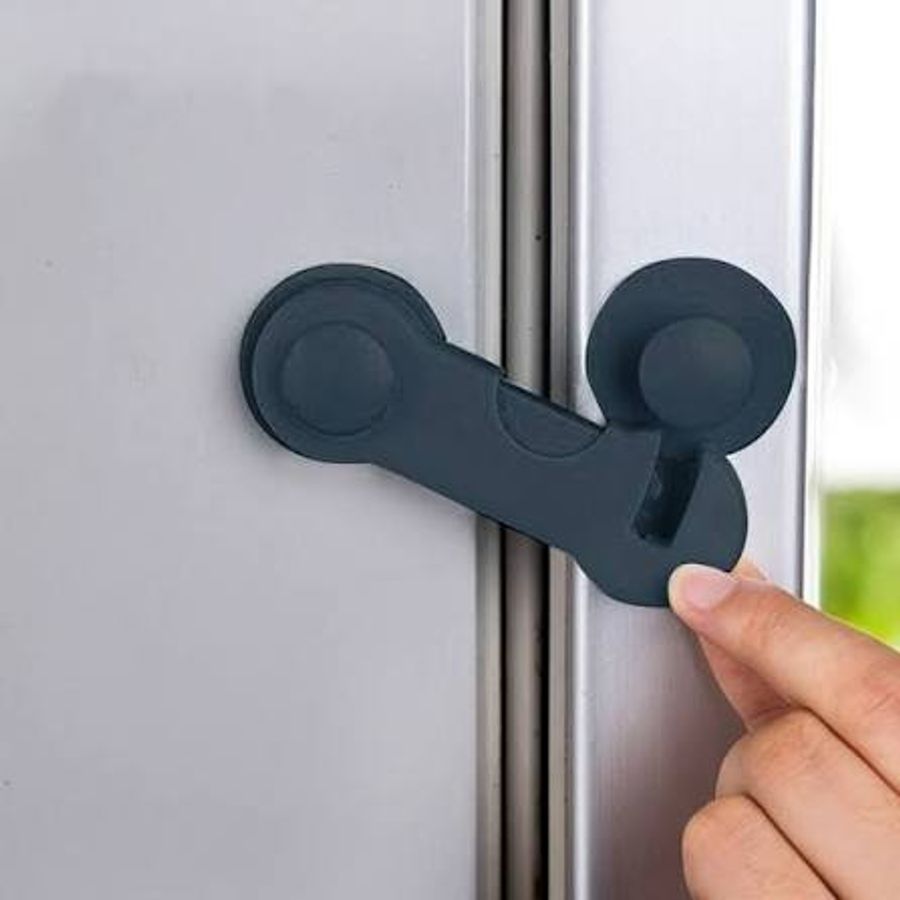
Best Under-Sink Cabinet Locks to Keep Kids Out of the Chemicals
OTOlive Tina · Founder & Home Safety Researcher, HouseholdShield Updated Aug 14, 2026
Peace of mind starts at home
Every article is independently researched against published safety standards, active recalls and thousands of verified owner reviews. No sponsored opinions, no invented testing.
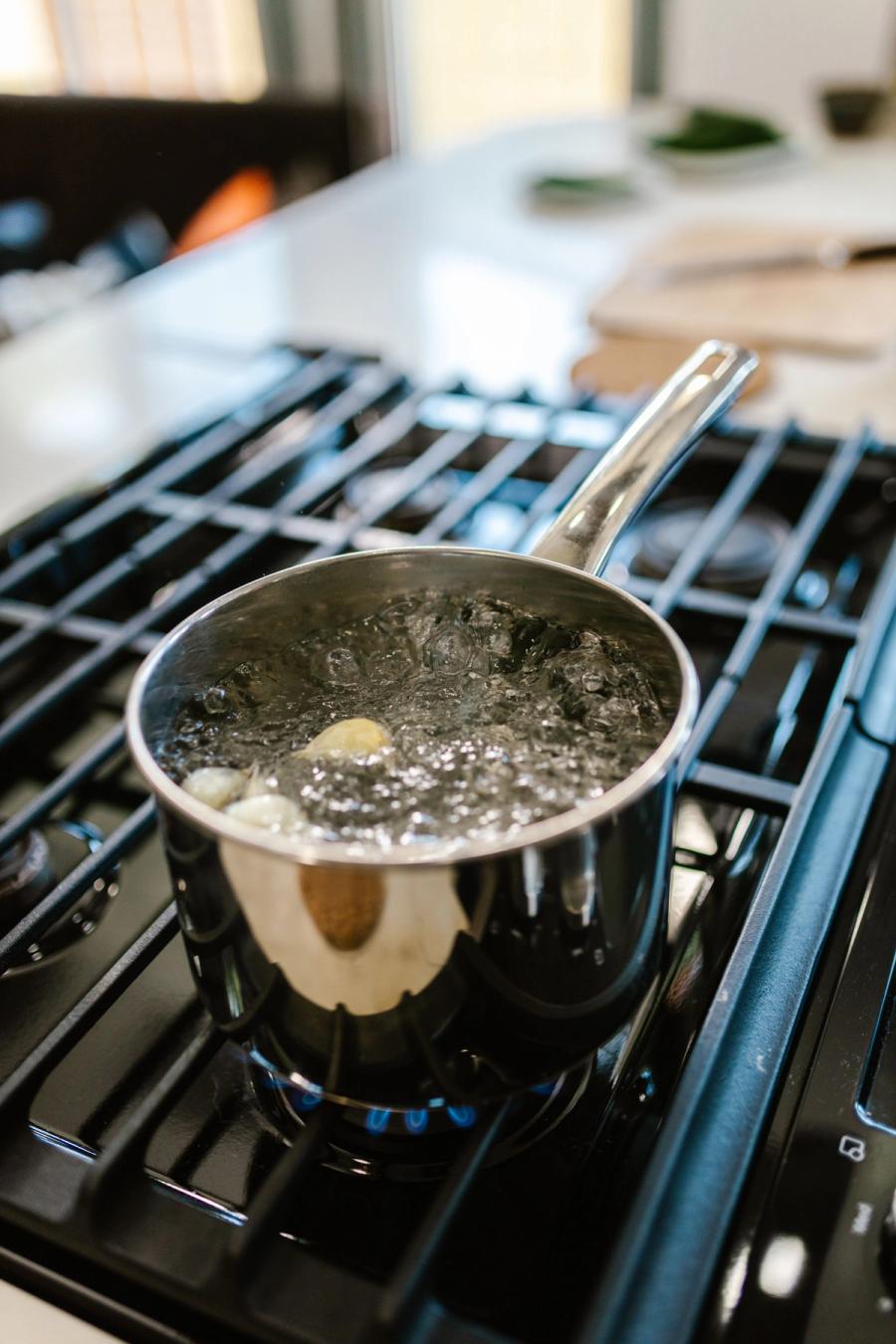
Most people think a scald is about how hot the water is. It's really about how long skin touches it, and at your water heater's factory setting, “how long” can be as little as one second for a child. Here's the number that changes how you run your whole kitchen.

The kitchen is the third most common place children get hurt at home, and most childproofing misses the real dangers because it works product-by-product instead of zone-by-zone. Here's the walk-through I'd do, on my hands and knees, one area at a time.

Most kitchen fire statistics you'll read online mix different years together and cite no primary source. This is the properly dated, NFPA-sourced version, with what each number actually means for your home.
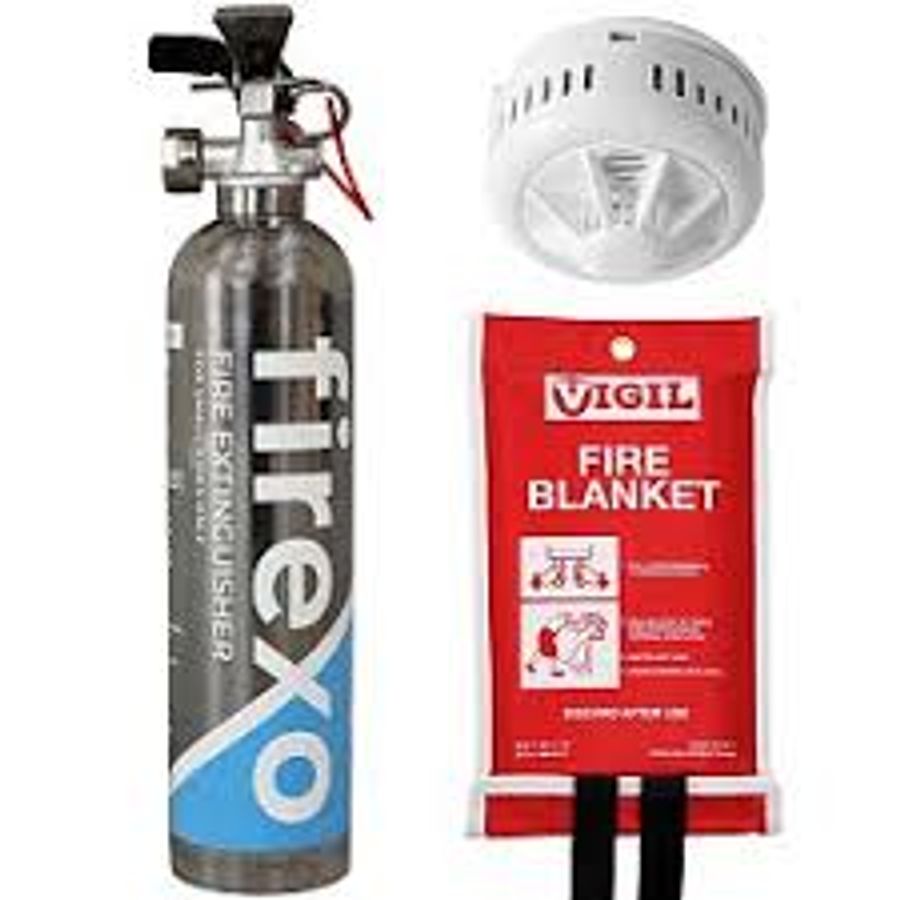
A single fire extinguisher isn't a fire-safety plan. The best kitchen fire-safety bundles cover detection, suppression, and escape together. Here are the strongest pre-made kits, and how to build your own for less.
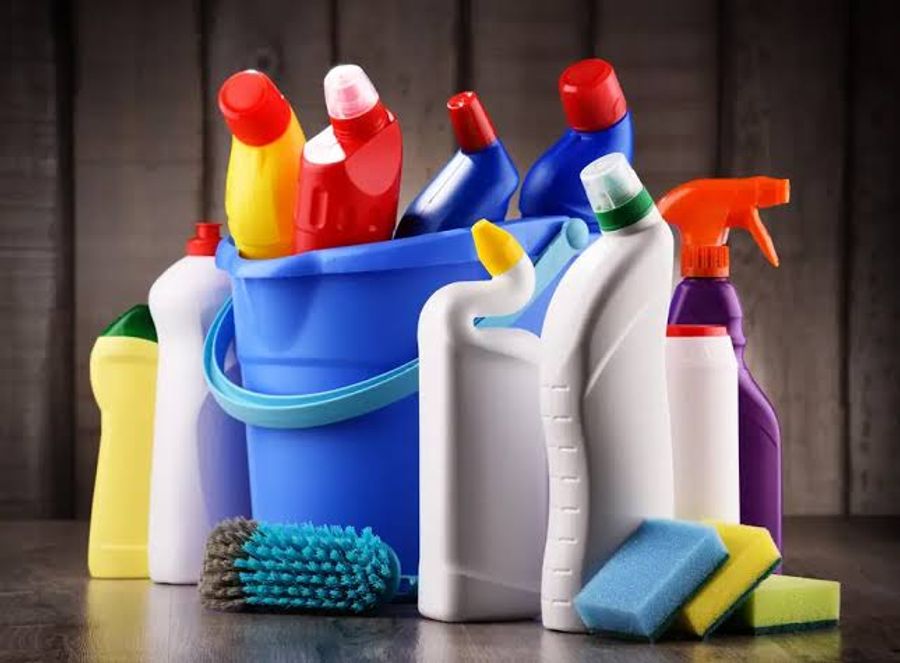
The cabinet under your kitchen sink is often the most dangerous spot in the house for a small child. Here's how child poisonings actually happen, and the simple order of changes that prevents them.
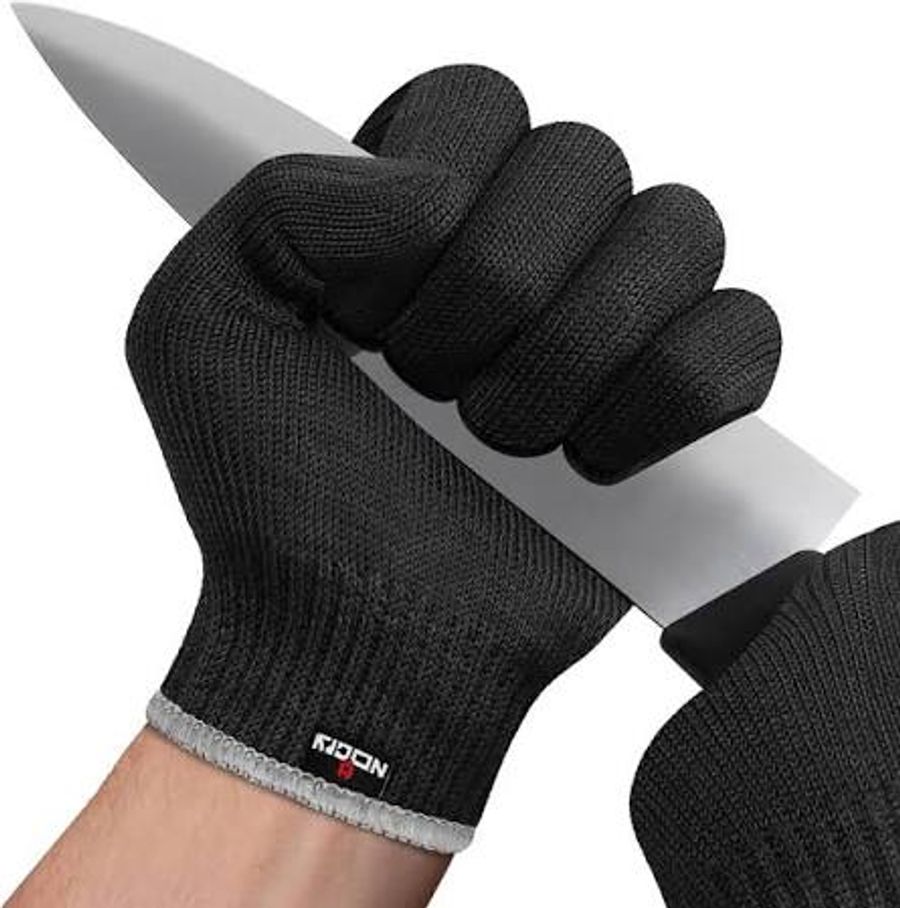
Most cut-glove guides push the highest ANSI rating as if bigger is always better. For a home kitchen it usually isn't. Here are the gloves worth buying, matched to the level you'll actually wear and use.
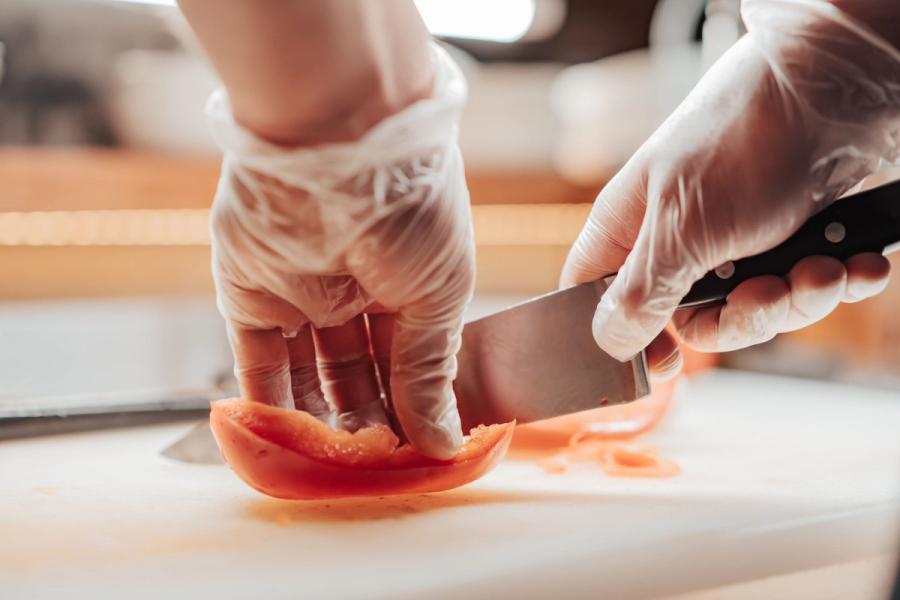
Cut-resistant" printed on a glove means almost nothing on its own. There's a rating scale that tells you exactly how much protection you're getting, and it also reveals the injury most home cooks get that these gloves were never designed to stop. Here's how to read it.
Get new safety guides and product research as they publish. Independently researched, never sponsored.
Get free weekly guides →