Best Automatic Stove Shut-Off Devices for Seniors and Forgetful Cooks
For an aging parent or a distraction-prone household, an automatic stove shut-off targets the exact cause of most kitchen fires. Here are the leading devices, how they differ, and which suits your stove and situation.
Unattended cooking is the leading cause of home kitchen fires, and no device on earth targets that fact as directly as an automatic stove shut-off. It watches the stove and, when cooking is left unattended past a set time, turns the burner off on its own, no alarm to ignore, no action required from the person cooking. For the right household, it's the single most valuable safety device you can install.
The "right household" matters, and I covered who genuinely needs one in are automatic stove shut-offs worth it. The short version: they earn their place in homes with an aging parent (especially with memory changes), in genuinely distraction-prone households, and for anyone with a near-miss already behind them. If that's you, this guide covers the leading devices, how they differ, and which fits your stove.
One honest thing before we start: this is a niche category, and it's dominated by a few specialist devices rather than the usual crowd of Amazon options. I'll be straight about where each is available, because that affects how you buy it.
How these devices work (and the one thing to check first)
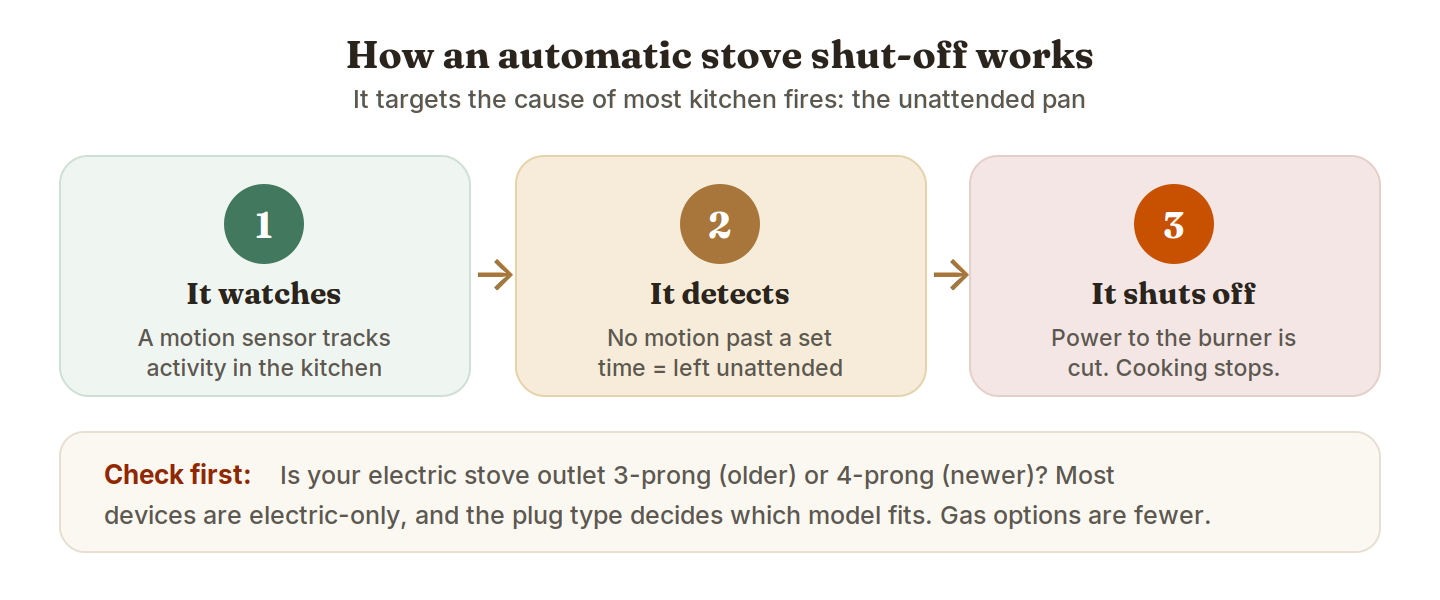
Almost all of these work on the same principle: the device installs between your stove and its power supply, watches for motion or interaction in the kitchen, and cuts the power to the stove when it detects the kitchen has been left unattended for a set time. Cooking stops on its own.
The one thing to check before anything else is your stove type and outlet, because it decides what you can fit:
- Most of these devices are built for electric stoves, and many ask whether you have a 3-prong (older) or 4-prong (newer) outlet. Check your plug before you buy.
- Gas stove options are fewer and installation is more involved. Some systems address gas, but read compatibility carefully.
- Setup is usually simpler than people fear: pull the stove out, plug the device into the wall outlet, plug the stove into the device. Many install in under fifteen minutes with no electrician.
Match the device to your stove type first, and the rest of the decision gets easier.
How I chose these
I researched and compared the automatic stove shut-off devices most consistently recommended for seniors and forgetful cooks, looking at how each detects and shuts off, install effort, stove-type compatibility, whether they alert a caregiver, and where you can actually buy them. I haven't installed and tested each, so I won't claim otherwise. Crucially, several of these are sold direct from the maker or through specific retailers rather than on Amazon, so check the "where to buy" note on each. Each pick is a use case, match it to your home.
The picks
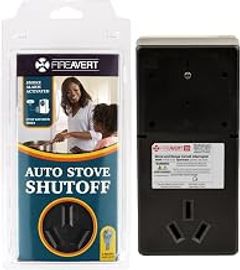
Electric Auto Stove Shut-Off Device
- 3 or 4-prong
- Plugs in behind the stove, no tools or electrician
- 30-second delay clears normal cooking smoke, avoiding false shut-offs
- Text alert to chosen contacts when it triggers
- Needs a working smoke alarm to sync with (optical/photoelectric recommended)
- Electric version; choose the plug type (3 vs 4-prong) that matches your outlet
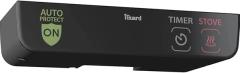
Smart Stove Timer, Automatic Stove Shut-Off
- Automatically shuts the stove off when no activity is detected
- Manual timer allows longer, deliberate cooking sessions
- Plug-in power-cord install (match your outlet)
- Designed around preventing forgotten, unattended cooking
- Newer Amazon listing; fewer long-term reviews so far
- Electric plug-in; confirm your 3 vs 4-prong outlet
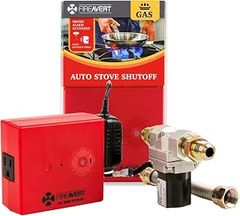
Gas Stove Auto Shut-Off Device
- One of the few true auto shut-offs built for gas stoves
- Syncs to your existing smoke alarm
- Same proven FireAvert mechanism as the electric model
- Gas install is more involved than a plug-in (a handyman helps)
- Needs a compatible smoke alarm to sync with
How a shut-off compares to the alternatives
If you're weighing a shut-off against other ways to protect a forgetful cook, it helps to see where each fits, because they solve different parts of the problem.
An automatic stovetop fire suppressor (the canister type that mounts above the stove) puts out a fire once it has started. It's excellent, but it's reactive, it acts after ignition. A shut-off is preventive, it stops the unattended cooking that leads to the fire in the first place. The two actually pair well: the shut-off prevents most incidents, the suppressor catches anything that slips through.
A smoke alarm warns you, but warning only helps if someone is there to hear and act, which is exactly what fails with an aging parent living alone or a household fast asleep. A shut-off doesn't rely on anyone responding.
Knob covers stop a child turning the stove on, a different risk from an adult forgetting a pan. For a home with both a toddler and a forgetful grandparent, you might reasonably want both.
So a shut-off isn't competing with these so much as filling a gap none of them cover: the unattended, still-cooking stove with nobody reacting. That's its unique job, and for the households in this guide, it's the gap that matters most.
Which one is right for your situation
Match the device to who you're protecting:
| Your situation | Best pick | Why |
|---|---|---|
| Aging parent with memory changes | FireAvert electric | Works in the background, no action needed from them |
| You want to set the unattended timer | (iGuard | Motion sensor with an adjustable shut-off window |
| Simplest possible plug-and-go | FireAvert gas | Plugs in, no fuss, addresses the core risk |
The pattern: the higher the cognitive risk (advanced memory changes), the more you want a device that works silently in the background without asking anything of the person cooking.
An honest word on buying these
Unlike most products I recommend, several of these aren't a quick Amazon click. iGuardStove and CookStop are typically bought direct from the maker or through specific retailers; FireAvert and Wallflower tend to be more widely available. That's not a mark against them, it reflects that this is a specialist safety category, not a mass-market one. It does mean two things for you: check current availability and the exact model for your stove before buying, and expect a slightly higher price than a generic gadget, because these are purpose-built safety devices, often with app connectivity and support behind them.
For a home where the alternative is worrying every day about a forgotten burner, that cost is usually money well spent. This is one of the few devices that can let an older adult keep cooking independently while removing the hazard that most threatens that independence.
More on Kitchen Safety
Browse every guide and comparison we've published in Kitchen Safety.
Keep reading
Frequently asked questions
What's the best automatic stove shut-off for an elderly parent?
For an older adult, especially with memory changes, the best devices work silently in the background and require no action from the person cooking, so they don't rely on the senior understanding or responding to an alarm. Devices that monitor stove activity and shut it off automatically, some with caregiver phone alerts, are ideal. Match the model to whether the stove is electric (3 or 4-prong) or gas.

Olive Tina
I lived through a kitchen grease fire in my own home. Afterward, I spent months researching what would have actually stopped it — that's how HouseholdShield started.